The Centers for Advanced Orthopaedics is redefining the way musculoskeletal care is delivered across the region with locations throughout Maryland, DC, Virginia and Pennsylvania.
July 9, 2026
Beat the Heat: How to Exercise Safely Outdoors This Summer
Summer is a great time to enjoy walking, running, cycling, hiking, and outdoor sports. However, high temperatures and humidity can place extra stress on your body, increasing your risk of dehydration, heat-related illness, and orthopedic injuries. Whether you’re training for a race, playing pickleball, or simply taking a daily walk, taking a few precautions can help you stay active and healthy all summer long.
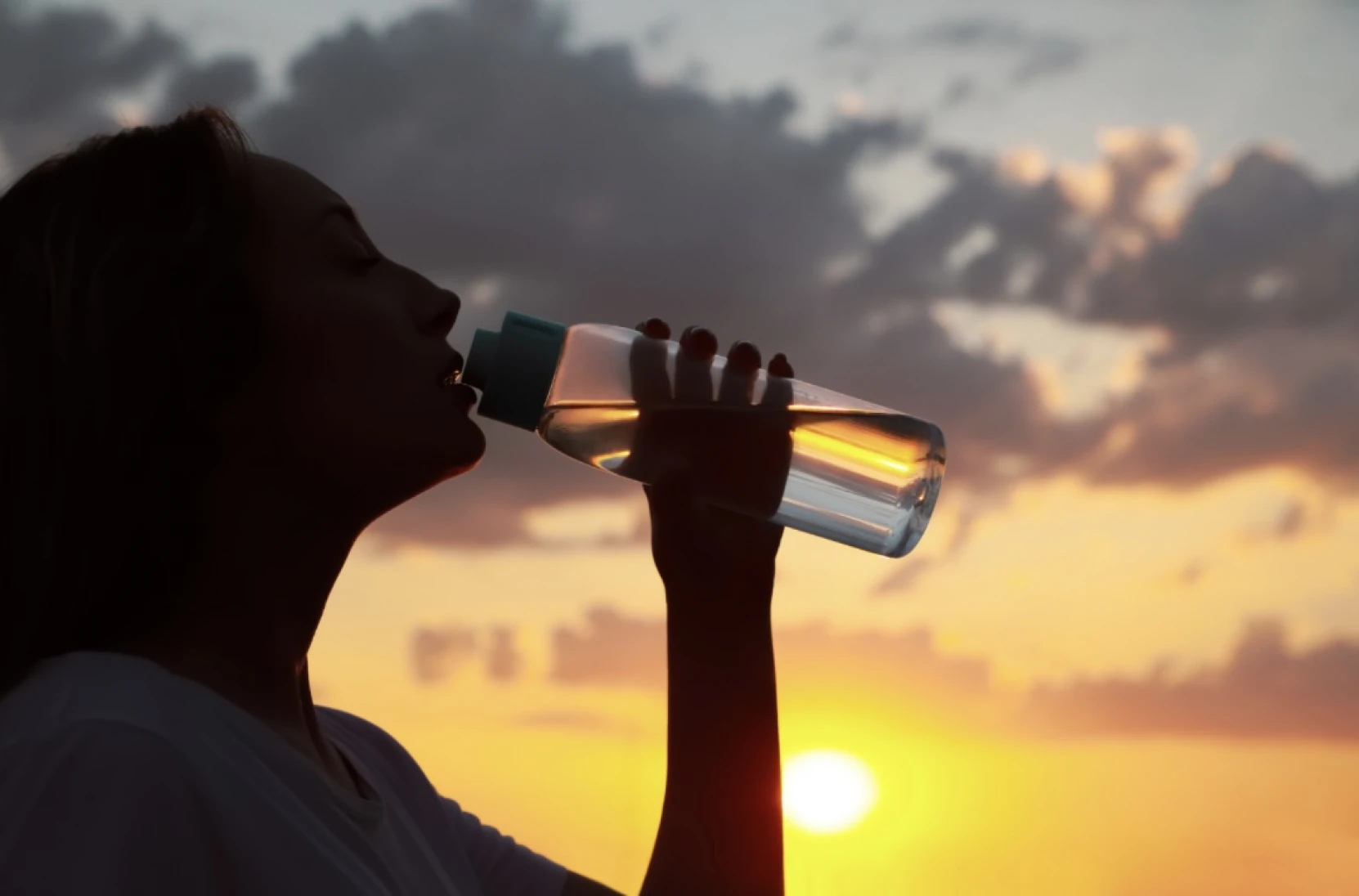
Why Heat Makes Exercise More Challenging
When you exercise, your muscles generate heat. Your body cools itself by sweating and increasing blood flow to the skin. On hot or humid days, these cooling mechanisms become less effective, making it harder to regulate your body temperature.
As dehydration develops, your muscles fatigue more quickly, reaction time slows, and balance and coordination can decline. This combination can increase the risk of falls, ankle sprains, muscle strains, tendon injuries, and overuse conditions.
Choose the Right Time of Day
One of the easiest ways to reduce your risk is to schedule outdoor exercise during cooler hours. The best times are in the early morning (before 10 a.m.) & evening (after 6 p.m.). Whenever possible, avoid strenuous exercise during the hottest part of the day, typically between 10 a.m. and 4 p.m. Also remember that high humidity can make conditions more dangerous, even if the temperature isn’t exceptionally high.
Hydration Is Essential
Many people don’t realize they’re dehydrated until symptoms begin. By then, athletic performance has already declined. To stay properly hydrated:
- Drink water before heading outside.
- Continue drinking small amounts every 15–20 minutes during activity.
- Rehydrate after your workout.
- For exercise lasting longer than an hour or activities with heavy sweating, consider a sports drink that replaces electrolytes.
Dark-colored urine, dry mouth, dizziness, and fatigue are common signs that you need more fluids.
Dress for Success
What you wear can significantly affect your comfort and safety.
- Lightweight, loose-fitting clothing
- Moisture-wicking fabrics
- Light-colored apparel that reflects sunlight
- A breathable hat or visor
- Sunglasses with UV protection
- Broad-spectrum sunscreen (SPF 30 or higher)
Adjust Your Workout
- Slow your pace.
- Shorten your workout if needed.
- Take more frequent breaks.
- Choose shaded routes whenever possible.
- Consider lower-impact activities like walking, cycling, or swimming.
If you’re beginning a new exercise program or returning after time off, increase your activity gradually over one to two weeks to allow your body to adapt to exercising in the heat.
Recognize the Warning Signs
Knowing when to stop can prevent a medical emergency. Stop exercising immediately if you experience:
- Dizziness or feeling faint
- Headache
- Muscle cramps
- Nausea or vomiting
- Unusual weakness
- Rapid heartbeat
- Confusion or difficulty concentrating
Move to a cool location, drink fluids, and rest. If symptoms persist, worsen, or include confusion, loss of consciousness, or a very high body temperature, seek emergency medical care immediately, as these may be signs of heat stroke.
Heat Can Increase Injury Risk
Many people associate summer injuries with sports, but heat itself contributes to orthopedic problems. As muscles become fatigued and dehydrated, they lose strength and flexibility. This can lead to:
- Muscle strains
- Calf and hamstring injuries
- Achilles tendon problems
- Ankle sprains
- Knee pain
- Falls due to decreased balance and slower reaction time
Listening to your body and modifying your activity when conditions become extreme can help prevent these injuries.
Consider Moving Indoors
Some days are simply too hot for vigorous outdoor exercise. On days with extreme heat or poor air quality, consider exercising indoors at a gym, community center, or at home. A treadmill, stationary bike, strength training session, or indoor fitness class can provide the same health benefits while reducing heat-related risks.
Keep Moving—Safely
Regular exercise remains one of the best ways to maintain healthy joints, strong muscles, and overall well-being. By planning ahead, staying hydrated, dressing appropriately, and recognizing the early signs of heat illness, you can continue enjoying outdoor activity throughout the summer while minimizing your risk of injury.
If pain, swelling, or an injury is keeping you from staying active, don’t ignore the symptoms. Early evaluation and treatment can often help you recover faster and safely return to the activities you enjoy.